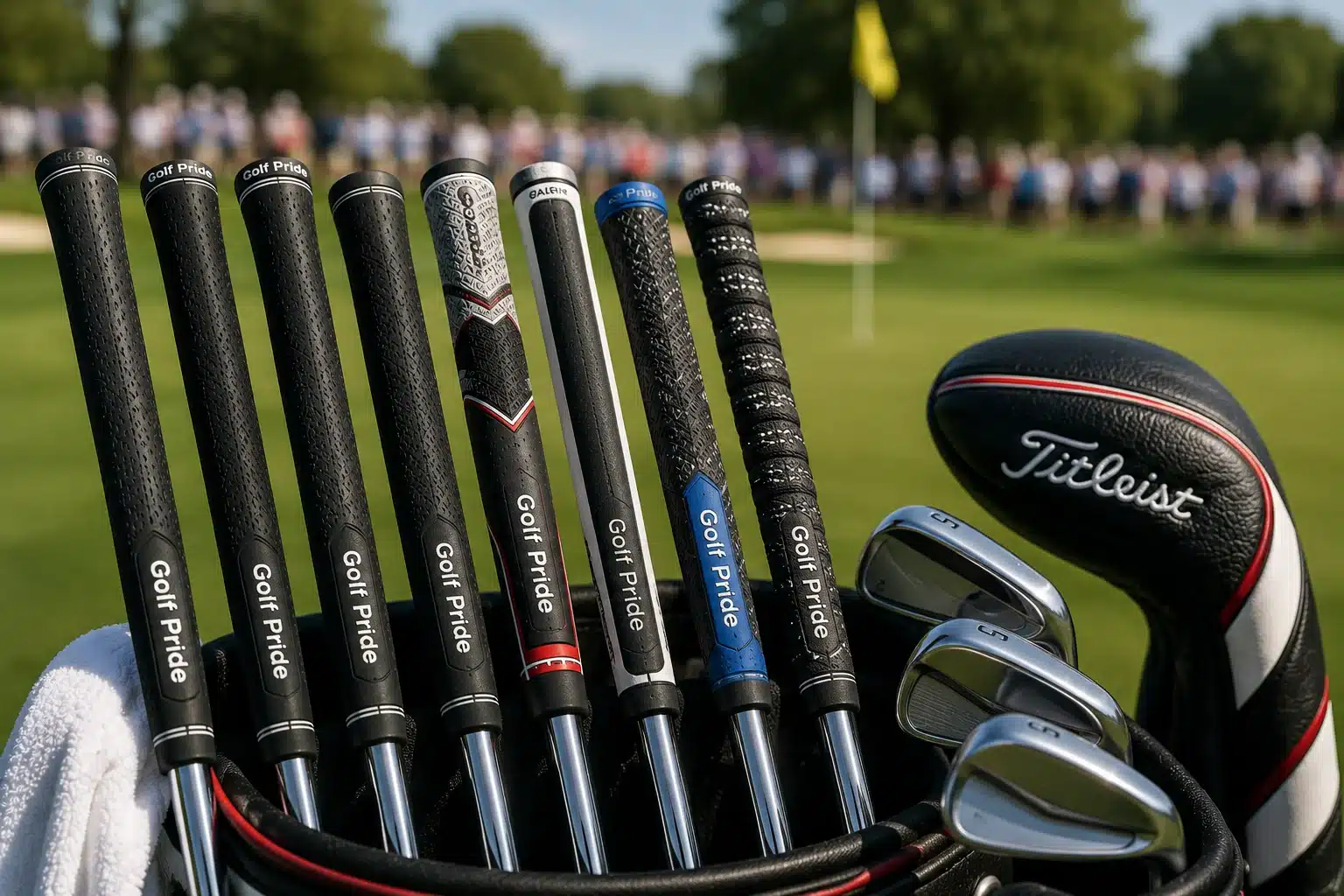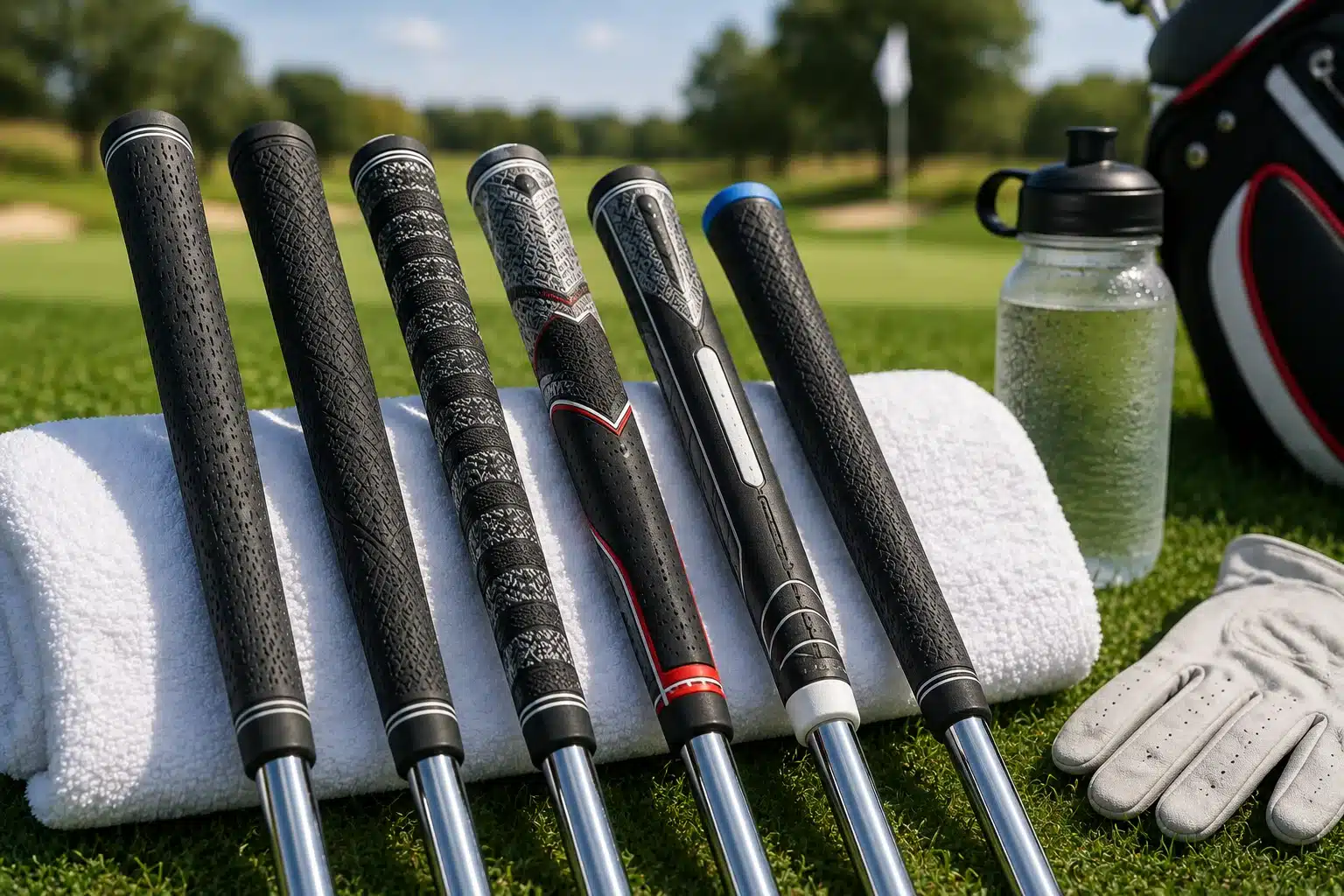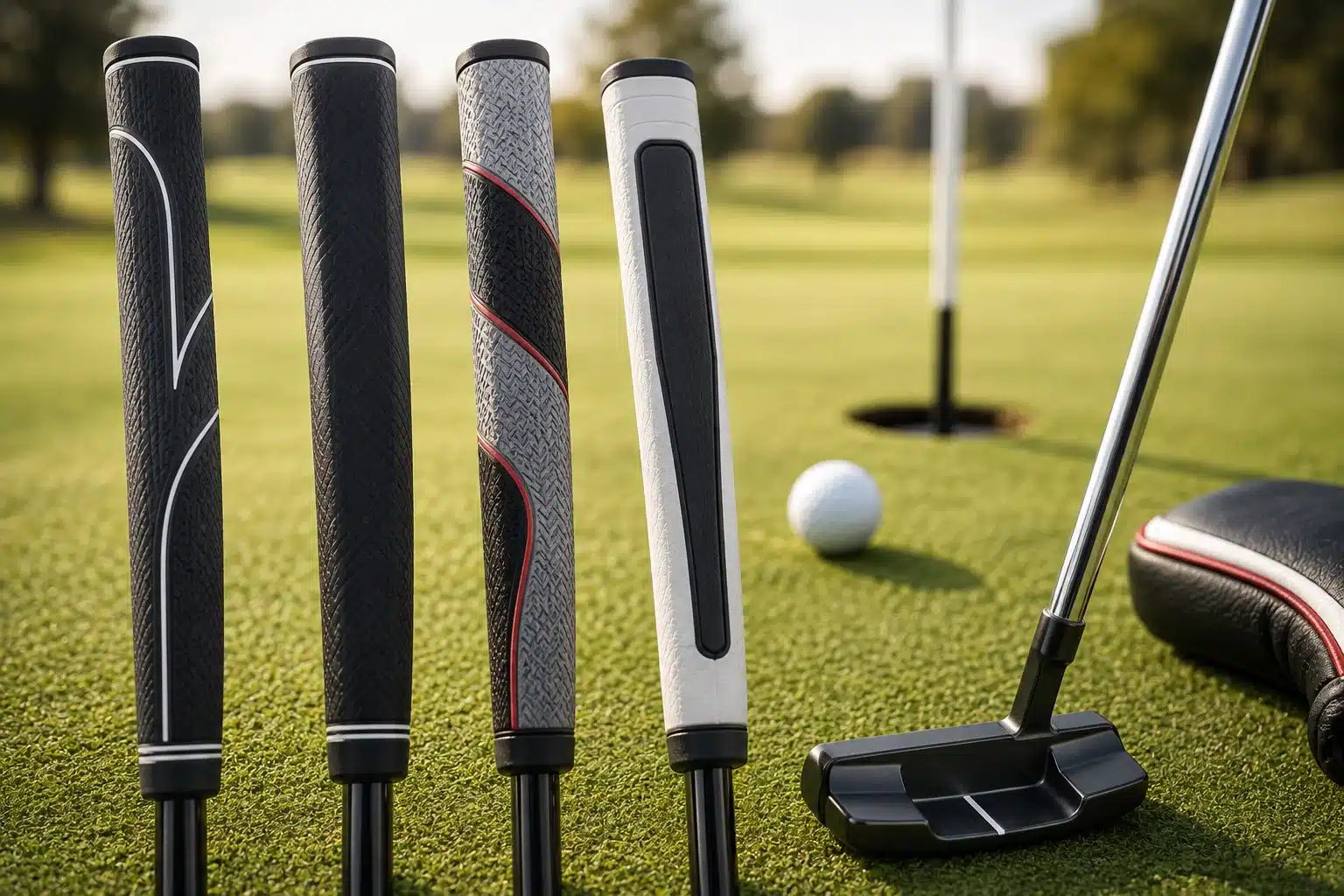
Knowing when to replace your golf grips is something many golfers underestimate, yet fresh grips are essential for maintaining consistent performance round after round. Grips are the only part of the golf club that you touch, yet they are the most commonly neglected piece of equipment in most golfers’ bags. Over time, grips lose traction, firmness, and surface texture — and when they do, it affects every single shot you hit, from your driver off the first tee to your approach on the eighteenth green.
Knowing when to replace your golf grips is an important skill that can save you from unnecessary dropped shots and frustration on the course. In this guide we cover the most common signs of worn golf grips, how often you should replace them, what happens if you wait too long, and how to find the right replacement grips from the Golf Pride lineup available at Golf Grip Hub.
Common Signs of Worn Golf Grips
1. Smooth or Shiny Surface
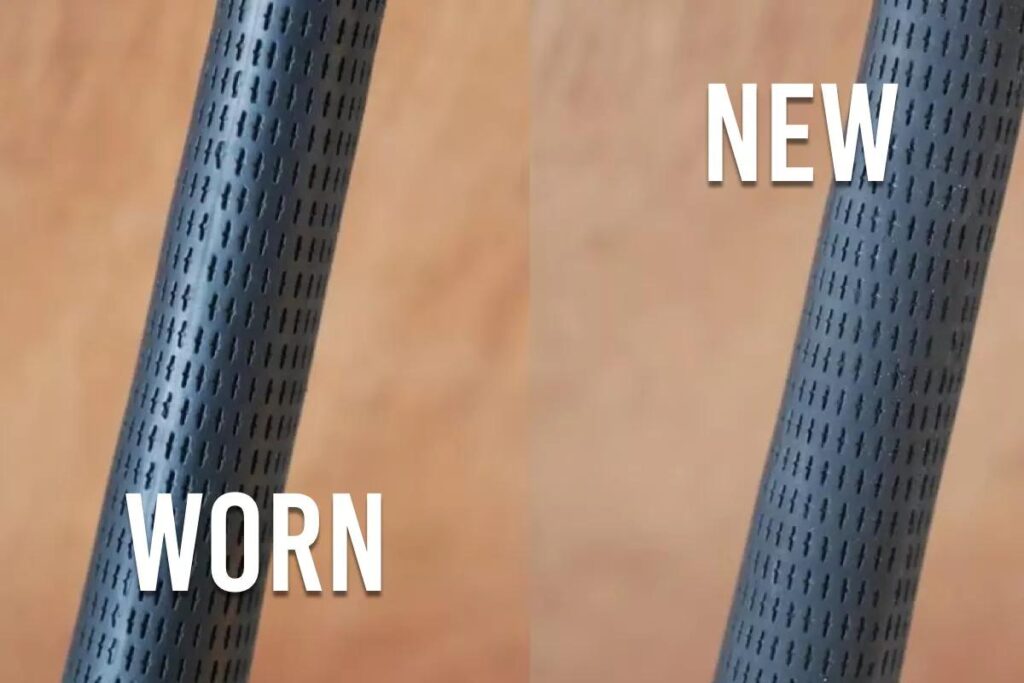
This is the most obvious and easiest sign to spot. Run your thumb across the grip surface in the area where your hands make the most contact. A new grip has a distinct texture — you can feel the pattern, the ridges, or the rubber compound under your thumb. A worn grip feels smooth and often looks slightly shiny or glossy under light. Once the surface texture is gone, the grip has lost most of its traction capability and needs to be replaced.
2. Reduced Tackiness
Fresh golf grips feel slightly tacky — there is a natural stickiness to the rubber that helps your hands maintain contact with the grip surface. As grips age and are exposed to UV light, heat, skin oils, and sweat, this tackiness breaks down and the grip becomes progressively slicker. If you notice your grip sliding or rotating in your hands during the swing, particularly on full shots or in slightly damp conditions, reduced tackiness is likely the cause. Slipping during swings is a serious indicator that your grips need replacement as soon as possible.
3. Visible Cracks or Hardening
Rubber compounds naturally harden and crack with age, especially when exposed regularly to sunlight, heat, and repeated compression during use. Inspect the entire grip surface, including under the butt end and in the lower section near the shaft, for hairline cracks, tears, or areas where the rubber feels noticeably hard and brittle compared to the rest of the grip. Cracked grips are not just less effective — they can also irritate the skin and cause blisters during long rounds. A severely cracked grip on a wedge or iron can even affect your shot shape by subtly altering where your hands position themselves at address.
4. Increased Grip Pressure
If you find yourself squeezing the club harder than usual to feel confident through impact, your grips are probably the cause rather than your swing. Worn grips force golfers to compensate by increasing grip pressure, which tightens the forearms and shoulders and interferes with the natural timing and tempo of the swing. This chain reaction is one of the most common causes of unexplained accuracy problems in golfers who have not changed anything about their swing. The fix is often as simple as replacing the grips.
5. Inconsistent Ball Flight
When grips are worn, they can subtly shift in your hands through impact, causing the clubface to be slightly open or closed at contact in inconsistent ways. If your ball flight has become noticeably less predictable — some shots going where you aimed, others spraying left or right — and you have not changed your swing, inspect your grips carefully. This is especially common on irons and wedges where grips take the most punishment from repetitive use.
6. The Grip Looks Discolored or Dirty
Grips accumulate skin oils, sunscreen, insect repellent, and dirt over time. While regular cleaning can extend a grip’s useful life significantly, heavily discolored or stained grips are usually past their prime regardless of how often they have been cleaned. Dark staining in the wear zones combined with any of the other signs above is a reliable indicator that replacement is overdue.
How Often Should You Replace Your Golf Grips?
Knowing when to replace your golf grips can help maintain consistent performance and prevent unnecessary swing compensations caused by worn grip surfaces.
A good rule of thumb used by club fitters and golf professionals across the USA is to replace your grips every 40 to 60 rounds, or at least once per year if you play regularly. Here is a more detailed breakdown based on playing frequency:
- Casual golfer (fewer than 20 rounds per year) — replace every 2 years or when signs appear
- Regular golfer (20 to 40 rounds per year) — replace every 12 to 18 months
- Avid golfer (40 to 60+ rounds per year) — replace annually or at the start of each new season
- Practice range users — grips used on range irons wear faster; inspect every 6 months
Golfers who play in hot and humid climates (Florida, Texas, the Gulf Coast, or the Southeast) should check their grips more frequently. Heat and sweat accelerate the breakdown of rubber compounds, and grips in these climates can lose their performance qualities significantly faster than in drier northern states.
How to Extend the Life of Your Golf Grips
You can get more life out of quality grips with regular maintenance. After each round, wipe your grips down with a damp cloth to remove sweat, oils, and dirt. For a deeper clean, use mild dish soap and warm water with a soft brush, then rinse thoroughly and allow grips to air dry fully before putting them back in the bag. Avoid leaving your clubs in a hot car trunk during summer — sustained high temperatures significantly accelerate rubber hardening and cracking. Storing clubs in a temperature-controlled indoor space between rounds is one of the easiest ways to extend grip life.
Regular cleaning can delay the need to replace your golf grips, but even well-maintained grips eventually wear out and require replacement.
Benefits When You Replace Your Golf Grips
- Better club control and face stability through impact
- Improved shot consistency and ball flight predictability
- Increased comfort and reduced hand fatigue over 18 holes
- More confidence during swings knowing your grip is secure
- Natural grip pressure instead of compensatory squeezing
Which Golf Pride Grip Should You Replace With?
If your current grips have worn out, regripping is an excellent opportunity to upgrade to a higher-performance option. Golf Grip Hub carries three premium Golf Pride models that suit different golfer preferences:
- Golf Pride MCC Plus4 Align — Hybrid corded grip with ALIGN Technology. Best for golfers who want maximum all-weather traction and consistent hand placement.
- Golf Pride CPX — Ultra-soft non-corded grip with diamond-quilted moisture channeling. Best for golfers who prioritize comfort and a soft feel.
- Golf Pride CP2 Wrap — Wrap-style grip with Control Core Technology. Best for golfers who want reduced grip pressure and superior comfort in a classic wrap design.
Our bundle packs of 13 grips with 1 free grip included make it easy and affordable to regrip your entire bag in one go. All orders ship free to all 50 US states with a 60-day return guarantee.
Conclusion
Fresh golf grips can make a noticeable and immediate difference to your comfort, confidence, and consistency on the course. If your grips show any of the signs covered in this guide, it is time to replace your golf grips before they begin affecting your confidence and consistency on the course. — smooth surface, reduced tackiness, cracks, increased squeeze pressure, or inconsistent ball flight — it is time to replace them. Regular grip maintenance and timely replacement is one of the simplest, most cost-effective performance improvements any golfer can make. When you are ready, our step-by-step home regripping guide shows you how, and you can shop authentic Golf Pride grips in every size. As an independent reseller of genuine Golf Pride products, every grip ships free across the USA.
Most golfers should replace your golf grips at least once per year, especially if they play regularly or practice frequently.
Ready for a fresh set? Find the right replacement in our Golf Pride MCC Plus4 vs CPX vs CP2 Wrap buying guide.