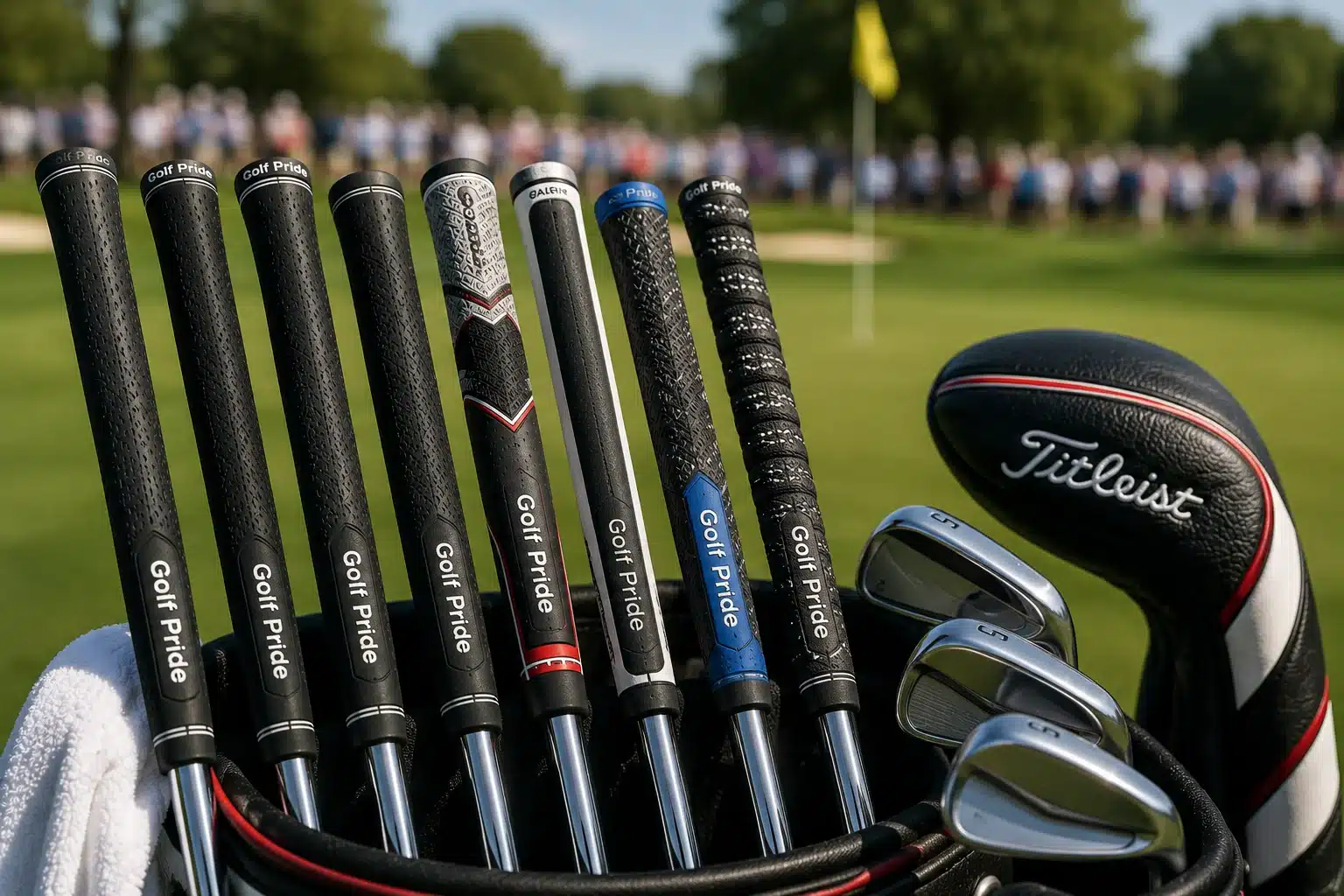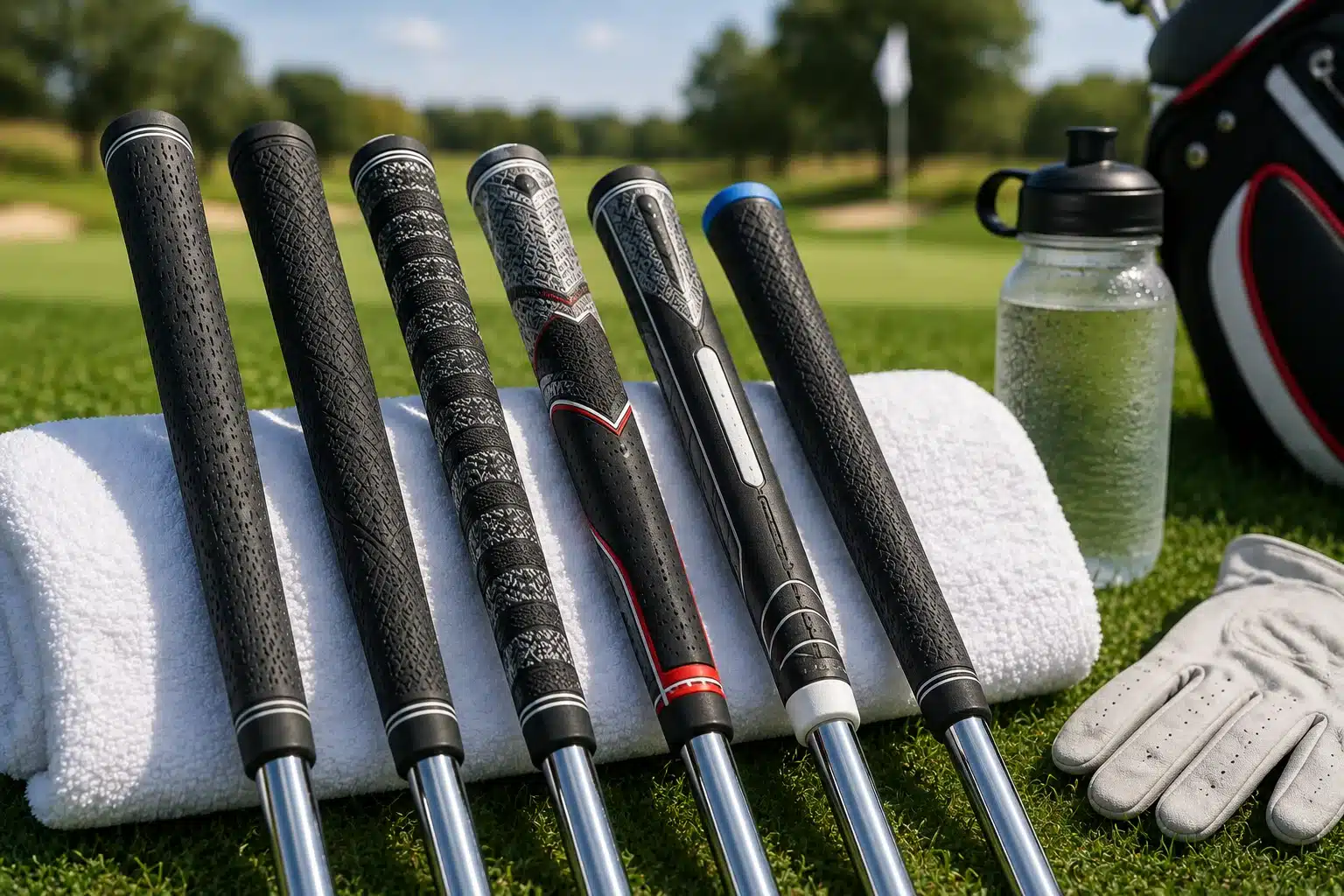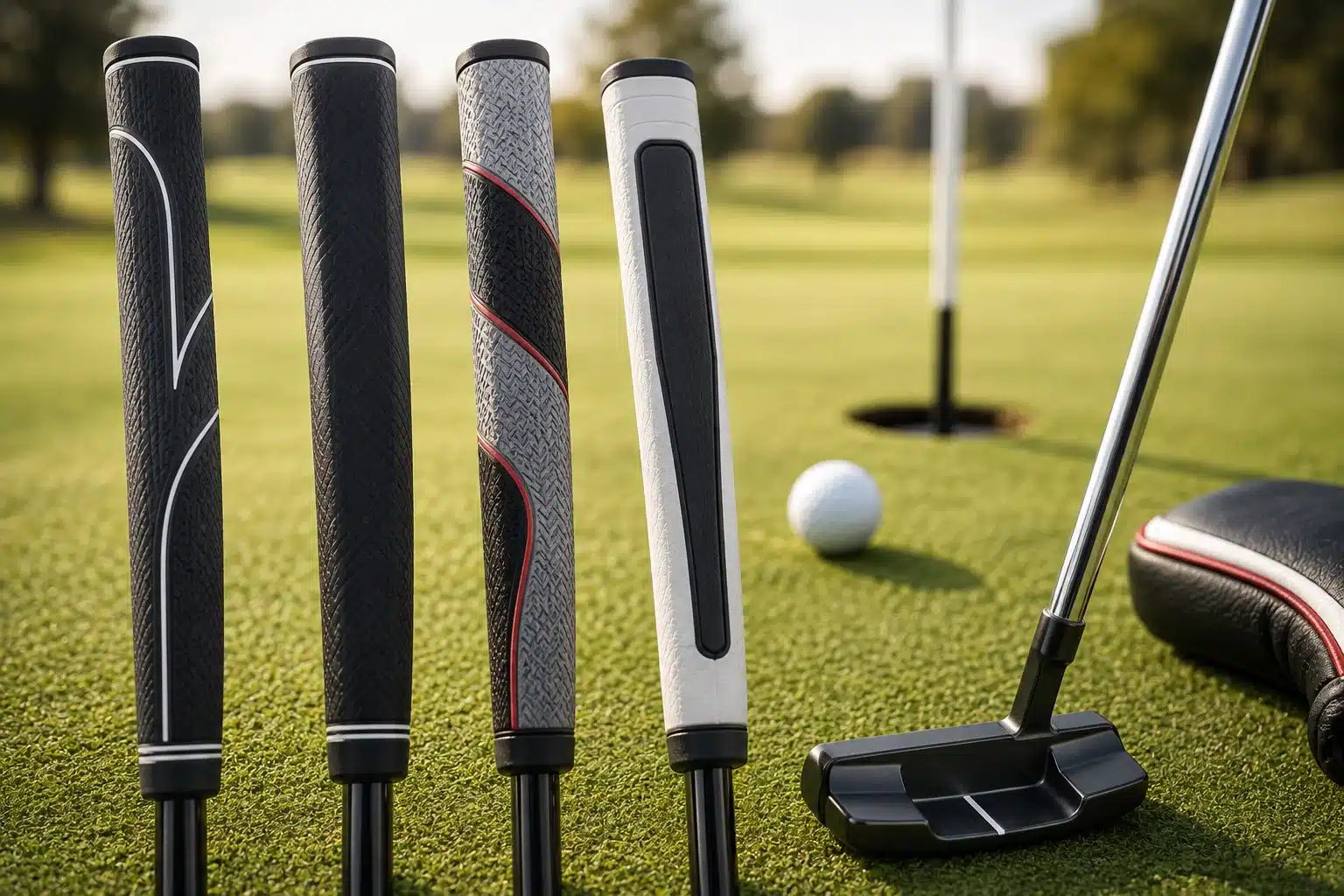
One of the most common questions golfers ask when shopping for new grips is whether to choose corded or non-corded golf grips. The corded vs non-corded golf grips debate comes up constantly because both types have dedicated fans on tour and in the amateur game, and each delivers distinct performance characteristics that suit different playing styles, climates, and personal preferences. Understanding the difference between the two will help you make a more informed decision the next time you regrip your clubs.
In this guide we break down exactly what makes corded and non-corded grips different, who each type suits best, and which Golf Pride options available at Golf Grip Hub belong in each category.
When comparing corded vs non-corded golf grips, the most important factors are traction, comfort, weather conditions, and personal preference. Understanding the differences between corded vs non-corded golf grips can help golfers choose the right grip for their game.
What Are Corded Golf Grips?
Corded golf grips feature embedded cotton or synthetic fiber material woven directly into the rubber compound of the grip. This gives the surface a noticeably rougher, more textured feel compared to standard rubber grips. The cord acts like a natural moisture wick, pulling sweat and water away from your palm and fingers so that your hands maintain direct, secure contact with the grip material throughout your entire swing.
Corded grips have been used by professional golfers for decades. They are particularly popular on tour in humid climates, during major championship weeks where pressure is high, and among players who generate a lot of clubhead speed and need maximum security at impact.
Advantages of Corded Grips
- Superior traction in wet, humid, or rainy conditions
- Better moisture control — ideal for the best grip choice for golfers with sweaty hands
- Excellent for aggressive swingers who generate high clubhead speed
- Longer lifespan — cord fibers maintain texture long after rubber wears down
- Consistent performance across different weather and seasonal conditions
Disadvantages of Corded Grips
- Firmer, rougher feel that takes adjustment from soft-grip users
- Can feel abrasive on bare hands without a glove
- Less vibration dampening than softer rubber grips
- Not ideal for golfers with sensitive hands or skin conditions
What Are Non-Corded Golf Grips?
Non-corded golf grips are made entirely from rubber or synthetic rubber compounds without any woven fiber material. They offer a softer, smoother surface feel that many golfers find more comfortable, particularly for players who prefer maximum feedback from the clubhead and those with sensitive or arthritic hands. Non-corded grips rely on surface texturing, rubber compound quality, and tackiness to maintain grip security rather than the mechanical bite of cord fibers.
Non-corded grips are the most commonly used grip type among amateur golfers in the USA and are available across a wide range of firmness, texture, and tackiness levels to suit different preferences and playing conditions.
Advantages of Non-Corded Grips
- Comfortable, soft feel that suits a wide range of players
- Excellent vibration dampening for improved feel on mishits
- Softer texture is gentler on bare hands and sensitive skin
- Wide variety of firmness, tackiness, and texture options available
- Ideal for moderate climates and dry-weather golf
Disadvantages of Non-Corded Grips
- Less traction in wet or humid weather compared to corded options
- Surface texture wears down faster under regular playing conditions
- May require more frequent replacement in warm, sweaty climates
The Best of Both Worlds: Hybrid Corded Grips
For golfers who want the traction benefits of cord without sacrificing comfort entirely, hybrid multi-compound grips offer an ideal middle ground. These grips feature a corded upper section (where the lead hand grips) combined with softer non-corded rubber on the lower section (where the trail hand grips). This construction provides traction where moisture control is most critical while keeping the softer feel many golfers prefer for feedback and comfort.
The Golf Pride MCC Plus4 Align is the most popular hybrid corded grip in golf. As an independent reseller of authentic Golf Pride grips, we carry it in standard and midsize sizes. Its upper cord section handles moisture while the lower rubber section delivers soft, comfortable feel — making it suitable for both wet and dry conditions throughout the year. It is trusted by hundreds of PGA Tour professionals and is one of the best-selling golf grips in the world.
Corded vs Non-Corded Golf Grips: Which Should You Choose?
The right choice between corded and non-corded grips depends on your individual playing conditions, physical preferences, and performance priorities. Here is a straightforward guide:
Choose corded grips if:
- You have naturally sweaty hands during rounds
- You regularly play in humid, rainy, or tropical climates
- You prefer maximum traction and control over soft feel
- You are an aggressive swinger who wants complete security at impact
- You want a grip that lasts longer between replacements
Choose non-corded grips if:
- Comfort and soft feel are your top priorities
- You play primarily in dry or moderate weather conditions
- You have sensitive hands, arthritis, or prefer a gentler texture
- You value vibration dampening and enhanced feel feedback
- You are a casual golfer who plays fewer than 30 rounds per year
In the corded vs non-corded golf grips debate, neither option is universally better. Golfers who play in humid climates or frequently sweat may prefer corded grips, while players prioritizing comfort often choose non-corded golf grips.
Golf Pride Options at Golf Grip Hub: Corded vs Non-Corded
Golf Grip Hub carries Golf Pride grips across both categories:
- Golf Pride MCC Plus4 Align — Hybrid corded. Upper cord for traction, lower rubber for comfort. The #1 choice for all-weather performance.
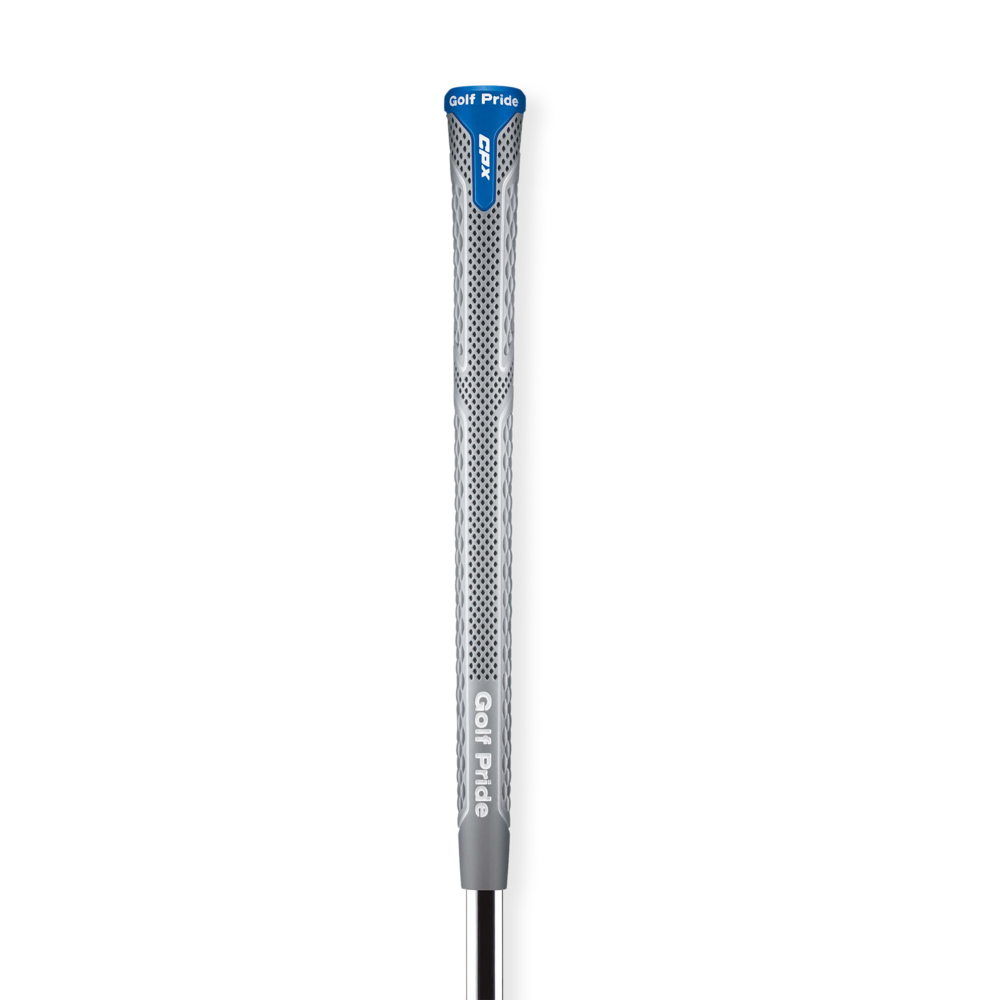
- Golf Pride CPX — Non-corded. EXO Diamond-Quilted texture for moisture channeling without cord fiber. Exceptionally soft with all-weather surface performance.
- Golf Pride CP2 Wrap — Non-corded. Control Core Technology with wrap-style surface. Maximum comfort and reduced grip pressure for golfers of all skill levels.
How Long Do Corded and Non-Corded Grips Last?
Corded grips generally last longer than non-corded grips because the embedded fiber maintains surface texture even as the outer rubber begins to wear. A high-quality corded grip used by an active golfer playing 30 or more rounds per year may last 18 to 24 months before needing replacement. Non-corded rubber grips typically need replacing every 12 to 18 months under similar playing conditions, and faster in hot or humid climates where sweat accelerates rubber breakdown.
Regardless of grip type, watch for the signs it is time to replace your golf grips — a smooth or shiny surface, visible cracks in the rubber, or needing to grip harder than normal to feel secure. When you do regrip, our step-by-step home regripping guide walks you through it. When in doubt, our 13-grip bundle packs with 1 free grip make full-bag regripping affordable with free shipping to all 50 US states.
Final Verdict
Both corded and non-corded golf grips offer genuine performance advantages depending on the golfer and the conditions. For maximum all-weather traction and longevity, corded or hybrid corded grips are the stronger choice. For daily comfort, soft feel, and versatility in moderate climates, non-corded rubber grips deliver excellent performance. Many serious golfers keep both types in their rotation — corded grips in the bag for humid summer rounds and soft non-corded grips for dry autumn and winter golf.
Browse our full selection of Golf Pride corded and non-corded grips at Golf Grip Hub, with free shipping across the USA and a 60-day return policy on every order.
Want to pick a specific grip? Our MCC Plus4 vs CPX vs CP2 Wrap comparison breaks down corded and non-corded options side by side.