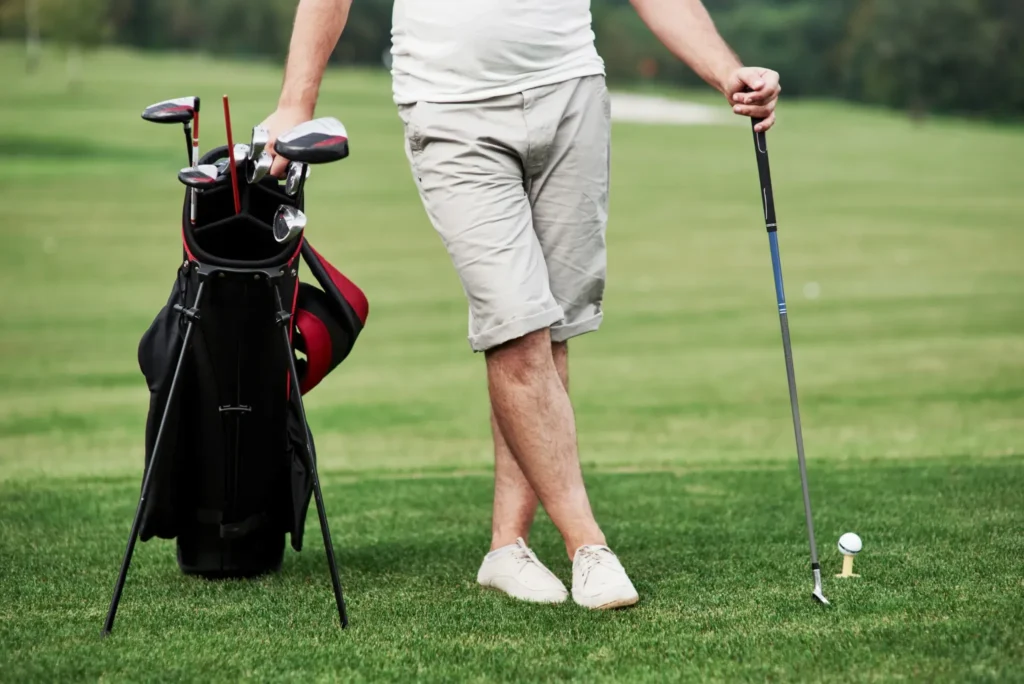
One of the most common questions golfers ask when shopping for new grips is whether to choose corded or non-corded golf grips. The corded vs non-corded golf grips debate comes up constantly because both types have dedicated fans on tour and in the amateur game, and each delivers distinct performance characteristics that suit different playing styles, climates, and personal preferences. Understanding the difference between the two will help you make a more informed decision the next time you regrip your clubs.
In this guide we break down exactly what makes corded and non-corded grips different, who each type suits best, and which Golf Pride options available at Golf Grip Hub belong in each category.
When comparing corded vs non-corded golf grips, the most important factors are traction, comfort, weather conditions, and personal preference. Understanding the differences between corded vs non-corded golf grips can help golfers choose the right grip for their game.
What Are Corded Golf Grips?
Corded golf grips feature embedded cotton or synthetic fiber material woven directly into the rubber compound of the grip. This gives the surface a noticeably rougher, more textured feel compared to standard rubber grips. The cord acts like a natural moisture wick, pulling sweat and water away from your palm and fingers so that your hands maintain direct, secure contact with the grip material throughout your entire swing.
Corded grips have been used by professional golfers for decades, and cord models are still among the most played grips on tour. They are popular with players who sweat, who play in humid or damp conditions, or who swing fast and want a firm hold at impact.
Advantages of Corded Grips
- Superior traction in wet, humid, or rainy conditions
- Better moisture control — ideal for the best grip choice for golfers with sweaty hands
- Excellent for aggressive swingers who generate high clubhead speed
- The cord keeps its texture well as the grip ages
- Consistent performance across different weather and seasonal conditions
Disadvantages of Corded Grips
- Firmer, rougher feel that takes adjustment from soft-grip users
- Can feel abrasive on bare hands without a glove
- Less vibration dampening than softer rubber grips
- Not ideal for golfers with sensitive hands or skin conditions
What Are Non-Corded Golf Grips?
Non-corded golf grips are made entirely from rubber or synthetic rubber compounds without any woven fiber material. They offer a softer, smoother surface feel that many golfers find more comfortable, particularly for players who prefer maximum feedback from the clubhead and those with sensitive or arthritic hands. Non-corded grips rely on surface texturing, rubber compound quality, and tackiness to maintain grip security rather than the mechanical bite of cord fibers.
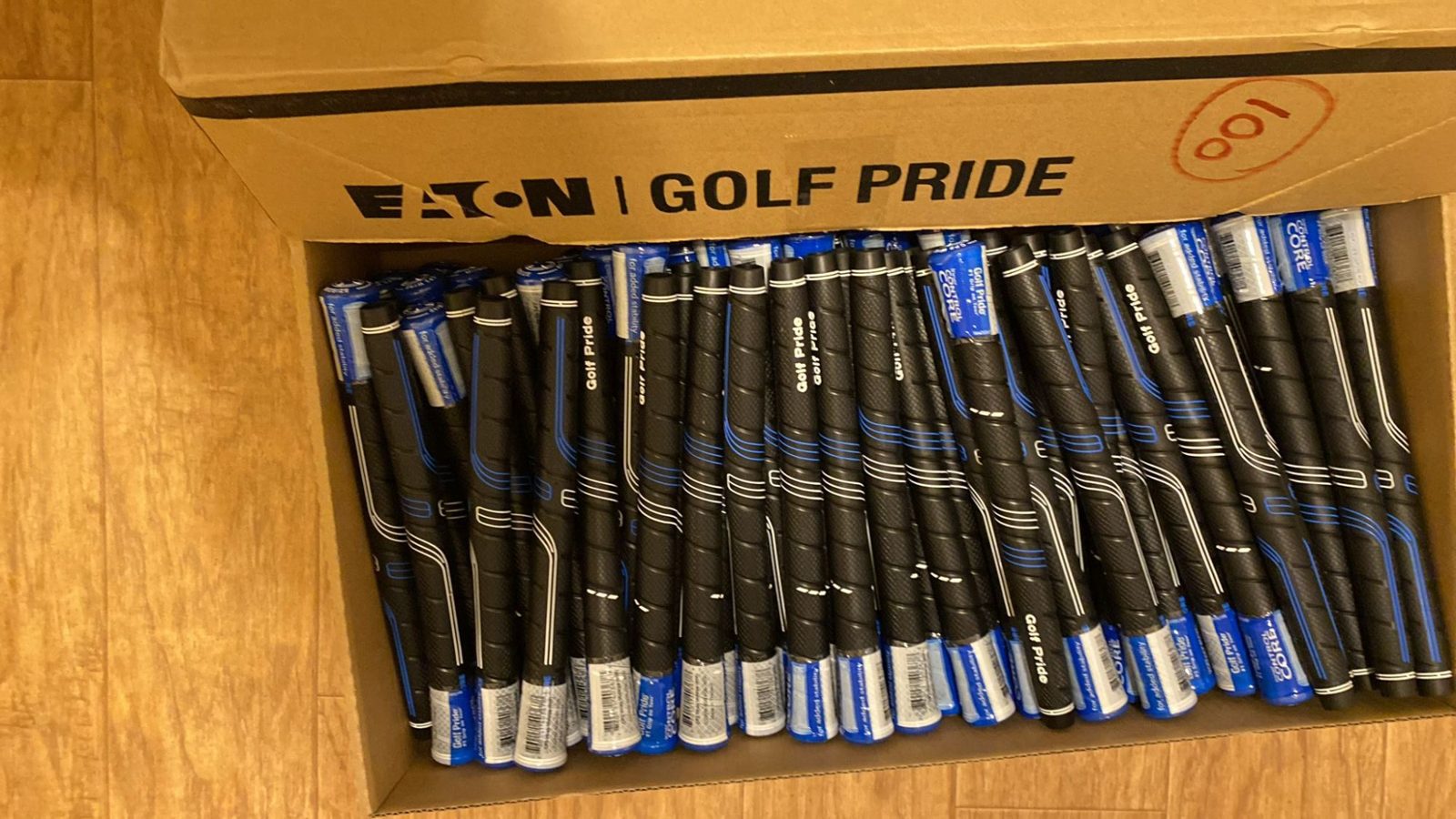
Non-corded grips are the most widely available type, and an all-rubber grip, the Golf Pride Tour Velvet, is the most played grip on tour. They come in a wide range of firmness, texture and tackiness to suit different preferences and playing conditions.
Advantages of Non-Corded Grips
- Comfortable, soft feel that suits a wide range of players
- Excellent vibration dampening for improved feel on mishits
- Softer texture is gentler on bare hands and sensitive skin
- Wide variety of firmness, tackiness, and texture options available
- Ideal for moderate climates and dry-weather golf
Disadvantages of Non-Corded Grips
- Less traction in wet or humid weather compared to corded options
- Surface texture wears down faster under regular playing conditions
- May require more frequent replacement in warm, sweaty climates
The Best of Both Worlds: Hybrid Corded Grips
For golfers who want the traction benefits of cord without sacrificing comfort entirely, hybrid multi-compound grips offer an ideal middle ground. These grips feature a corded upper section (where the lead hand grips) combined with softer non-corded rubber on the lower section (where the trail hand grips). This construction provides traction where moisture control is most critical while keeping the softer feel many golfers prefer for feedback and comfort.
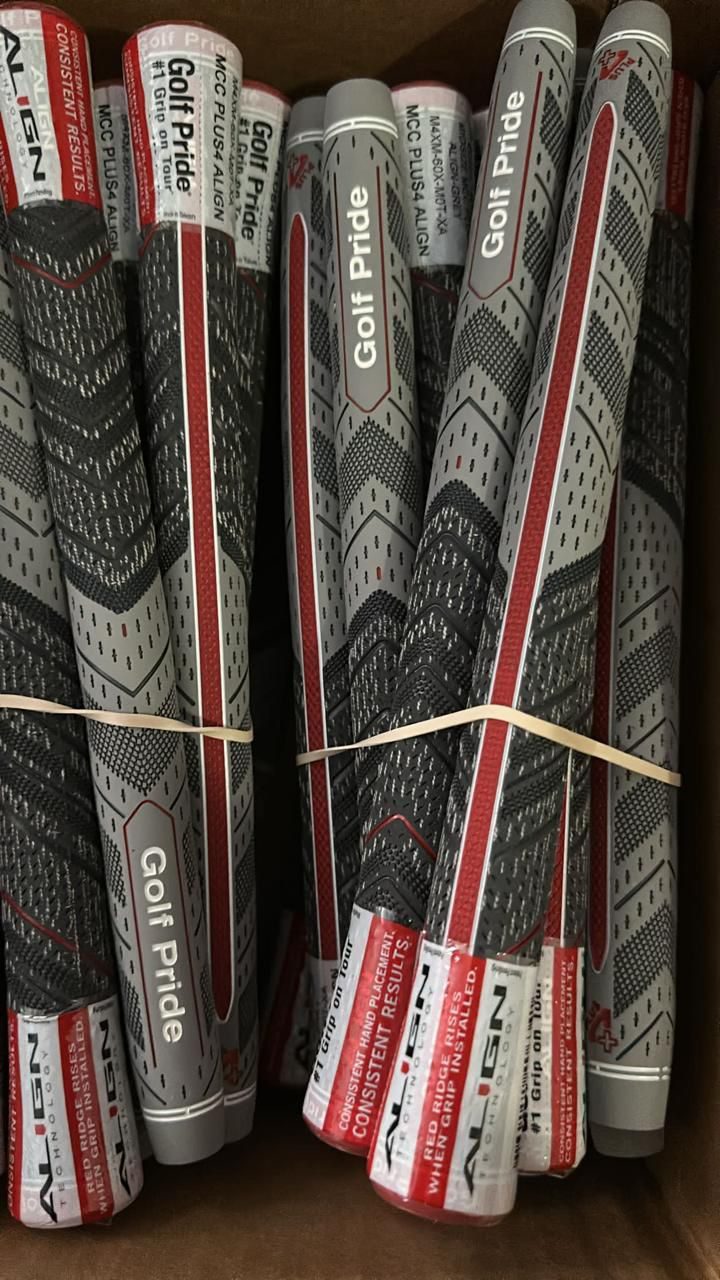
Golf Pride’s MCC (Multi-Compound) family is the best-known hybrid: brushed cotton cord in the upper hand and softer rubber in the lower hand. The standard MCC is the second most played grip in professional golf (87 of 526 bags in WITBhub’s November 2026 count). We stock the Golf Pride MCC Plus4 Align in Midsize, which adds a built-up lower hand (Plus4) and a raised ALIGN ridge to the same cord-and-rubber mix. See how the MCC versions differ in our MCC vs MCC Plus4 vs MCC Align guide.
Full Cord, Hybrid or Rubber: The Three Types Compared
“Corded” covers two kinds of grip. A full-cord grip has cord all the way down; a hybrid (sometimes called half cord) has cord only under the top hand. Together with all-rubber grips, that gives three types:
| Type | Feel | Best for | Examples (tour bags*) |
|---|---|---|---|
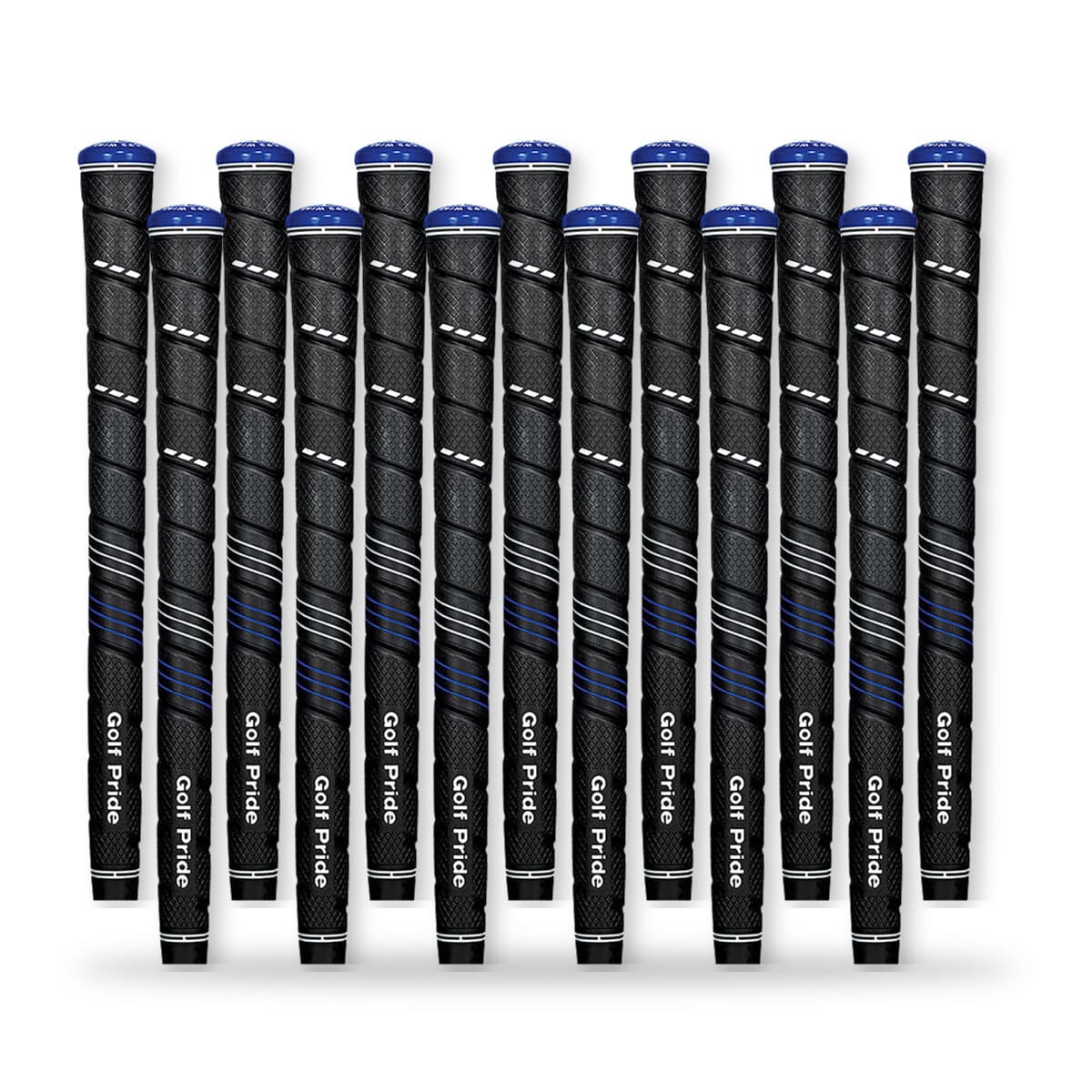
| Full cord | Firmest, most textured | Very sweaty hands, wet weather, fast swingers | Z-Grip Cord (23), Tour Velvet Cord (16) |
| Hybrid | Cord on top, softer rubber below | Golfers who want cord traction without a full-cord feel | MCC (87), MCC Align (8), MCC Plus4 (6), MCC Plus4 Align (3) |
| Rubber | Softest, smoothest | Comfort, dry conditions, sore or sensitive hands | Tour Velvet (110), CPX, CP2 Wrap |
*Bags in WITBhub’s November 2026 count of 526 professional bags. Models without a number weren’t among the most played. The tour picture is mixed: the most played grip is all rubber, the second is a hybrid, and full-cord models come third and fourth. There’s no single “right” type; it depends on your hands and where you play.
Corded vs Non-Corded Golf Grips: Which Should You Choose?
The right choice between corded and non-corded grips depends on your individual playing conditions, physical preferences, and performance priorities. Here is a straightforward guide:
Choose corded grips if:
- You have naturally sweaty hands during rounds
- You regularly play in humid, rainy, or tropical climates
- You prefer maximum traction and control over soft feel
- You are an aggressive swinger who wants complete security at impact
- You want a grip that lasts longer between replacements
Choose non-corded grips if:
- Comfort and soft feel are your top priorities
- You play primarily in dry or moderate weather conditions
- You have sensitive hands, arthritis, or prefer a gentler texture
- You value vibration dampening and enhanced feel feedback
- You are a casual golfer who plays fewer than 30 rounds per year
In the corded vs non-corded golf grips debate, neither option is universally better. Golfers who play in humid climates or frequently sweat may prefer corded grips, while players prioritizing comfort often choose non-corded golf grips.
Golf Pride Options at Golf Grip Hub: Corded vs Non-Corded
Golf Grip Hub carries Golf Pride grips across both categories:
- Golf Pride MCC Plus4 Align (Midsize) — Hybrid. Brushed cotton cord in the upper hand for traction, softer rubber in a larger lower hand, and an ALIGN ridge. Golf Pride describes the cord as ideal for golfers with sweaty hands.
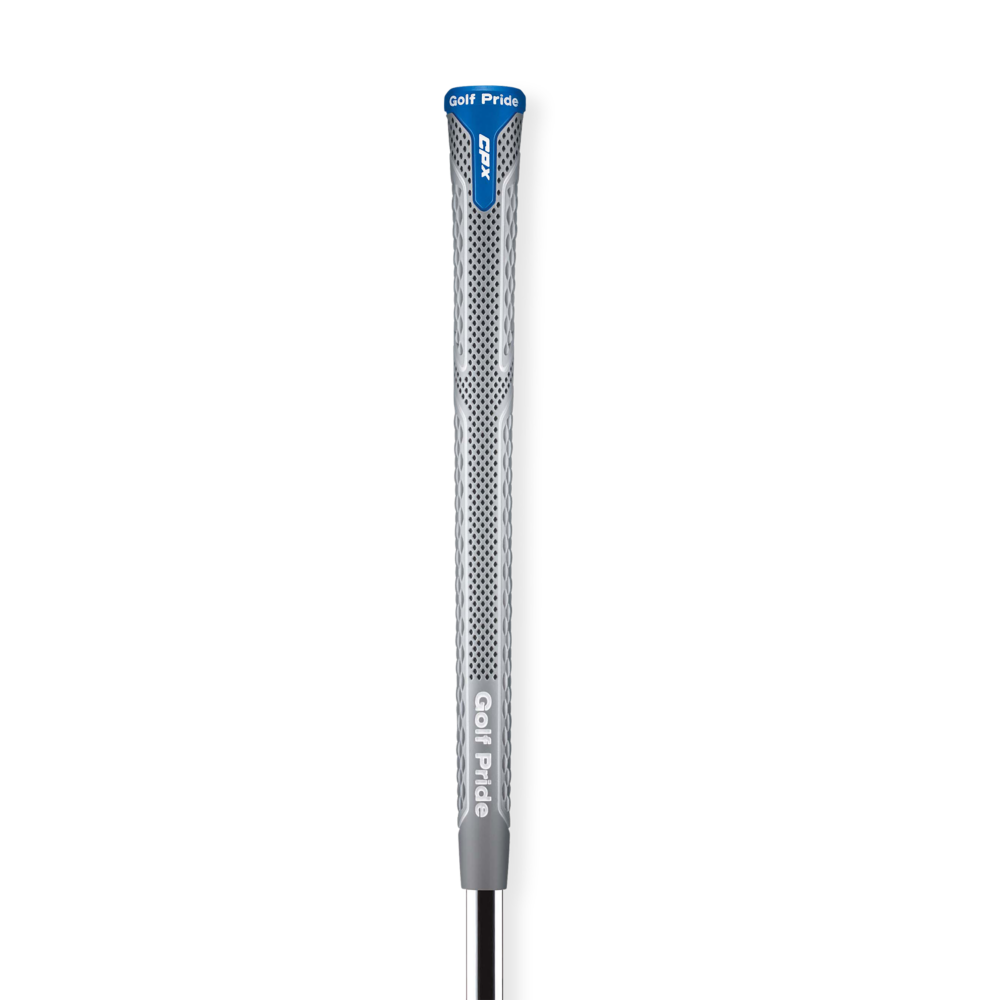
- Golf Pride CPX (Standard) — Non-corded. Soft performance rubber with Golf Pride’s EXO diamond-quilted texture. A comfortable choice for dry or moderate conditions.
- Golf Pride CP2 Wrap (Jumbo) — Non-corded. Soft rubber with a wrap-style texture over Golf Pride’s Control Core, plus a larger lower hand that Golf Pride says encourages lighter grip pressure.
How Long Do Corded and Non-Corded Grips Last?
How long any grip lasts depends mostly on how often you play, the climate and how you look after it. Golfers who play 20 to 40 rounds a year usually replace their grips every 12 to 18 months, and avid golfers about once a year. Heat, sun and sweat break rubber down faster, so golfers in hot, humid states should check their grips more often. Cord keeps its texture well, but the rubber around it still ages, so corded grips need replacing too.
Regardless of grip type, watch for the signs it is time to replace your golf grips — a smooth or shiny surface, visible cracks in the rubber, or needing to grip harder than normal to feel secure. When you do regrip, our step-by-step home regripping guide walks you through it. When in doubt, our packs of 13 or 8 grips cost less per grip than singles and ship free in the U.S.
Final Verdict
Both corded and non-corded golf grips have genuine advantages, depending on the golfer and the conditions. For the most traction in sweat, humidity or rain, a full-cord or hybrid grip is the stronger choice. For comfort, soft feel and dry or moderate climates, a rubber grip is hard to beat. If you can’t decide, a hybrid such as the MCC family gives you cord under the top hand and softer rubber under the bottom hand.
Browse our full selection of Golf Pride corded and non-corded grips at Golf Grip Hub, with free U.S. shipping on orders over $79 and 60-day returns on uninstalled grips.
Want to pick a specific grip? Our MCC Plus4 vs CPX vs CP2 Wrap comparison breaks down corded and non-corded options side by side.
Corded vs Non-Corded Grips: Common Questions
Are corded grips better in the rain?
Generally, yes. The cord gives your hands more texture to hold when the grip is wet, which is why cord and hybrid grips are popular with golfers who play in damp or humid weather.
Do corded grips hurt your hands?
They can feel rough, especially on a bare hand without a glove. If your hands are sore or sensitive, a softer rubber grip or a hybrid with rubber under the bottom hand is usually more comfortable. See our guide to the best golf grips for arthritic hands.
What is a half-cord grip?
It’s another name for a hybrid grip: cord in the upper hand and rubber in the lower hand. Golf Pride’s MCC family is the best-known example.
Do tour pros use corded grips?
Many do, but not most. In WITBhub’s November 2026 count, the all-rubber Tour Velvet was the most played grip (110 of 526 bags), the hybrid MCC was second (87) and the full-cord Z-Grip Cord was third (23). See the most used golf grips on the PGA Tour.
Which grip is best for sweaty hands?
A full-cord or hybrid grip, because the cord holds better when your hands are damp. Our guide to the best golf grips for sweaty hands covers the options.